

Book your Breakthrough Call now.
For when you need a breakthrough and you need it quickly.
You don't have time for programs or coaching - you just need an answer now. Considering how many hours, days or weeks it could take you to work it out for yourself, a quick call with me could save you a tonne of time and money.
Book an hour with me to get help with just about anything within my areas of expertise.
No refunds are offered regardless of the outcome, so please choose carefully to ensure that you get what you need from the call.
Calls are charged up-front at $175 inc GST for one hour.
Latest from The Saturday Sprint
The PAIPS Method: A Powerful Framework for Engaging Copywriting
The PAIPS Method: A Powerful Framework for Engaging Copywriting
Copywriting isn’t just about stringing together words; it’s about connecting with your audience, addressing their needs, and inspiring action. Justin Welsh’s PAIPS method offers a simple yet effective framework for crafting engaging, persuasive content that resonates with readers. Whether you’re writing social media posts, marketing emails, or blog articles, PAIPS can transform your content into something truly compelling.
In this article, we’ll delve into the PAIPS method—breaking down its components, exploring how to apply them, and sharing practical tips to maximize its effectiveness.
The PAIPS Formula Unveiled

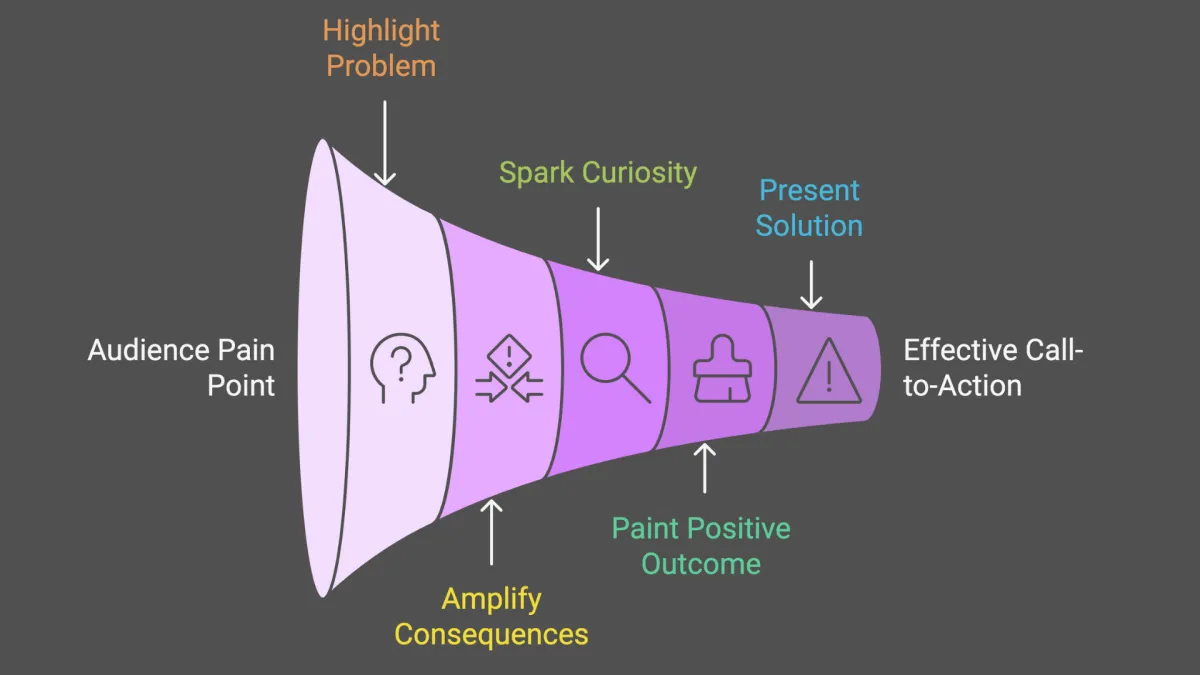
The PAIPS formula is built around five key steps:
Problem: Highlight a pain point or challenge your audience faces.
Agitate: Amplify the consequences of leaving the problem unaddressed.
Intrigue: Introduce a hint of the solution, sparking curiosity.
Positive Future: Paint a picture of the improved outcome after solving the problem.
Solution: Present your specific solution or call-to-action.
This step-by-step approach taps into the emotional and psychological triggers that drive engagement and action.
Applying the PAIPS Method: A Step-by-Step Guide
Step 1: Identify the Problem
Every compelling piece of content starts with a problem. This is the hook that grabs your audience’s attention. To identify the problem, think about the challenges your audience faces daily. The more specific and relatable the issue, the more likely your audience is to engage.

Example:
"Writing on social media every day is extremely difficult."
This sentence is simple yet effective. It speaks directly to a common frustration among content creators and business professionals.
Step 2: Agitate the Problem
Once you’ve introduced the problem, it’s time to agitate it. This step digs deeper into the pain, highlighting the negative consequences of inaction. The goal is to make the problem feel urgent and pressing.

Example:
"Because of that, I dreaded writing each day. I stared at a blank screen and then sloppily threw together some messy content. When I finally pressed 'post,' all my worries came true. Nobody read it. Nobody engaged. Nobody cared. That sucked."
By emphasizing the emotional toll and practical setbacks of the problem, you create a stronger connection with your audience. They’ll feel understood and more receptive to your message.
Step 3: Introduce Intrigue
After amplifying the problem, shift gears by introducing a hint of the solution. This step piques curiosity and encourages the reader to keep reading. The trick is to be tantalizing without giving too much away.

Example:
"Let me show you an easy formula to get more engagement, faster."
This sentence is short and to the point, leaving readers eager to learn more.
Step 4: Paint a Positive Future
Now, it’s time to inspire. Show your audience what life could look like after the problem is solved. This step appeals to their aspirations and reinforces the value of the solution you’re about to offer.

Example:
"If you use this framework, you tap into human psychology."
The promise of leveraging human psychology to create better content is aspirational and motivates the reader to take action.
Step 5: Present the Solution
Finally, unveil your solution. This is the step where you provide clarity and direction. Be specific and actionable to empower your audience to take the next step.

Example:
"It's called PAIPS. 1. Problem 2. Agitate 3. Intrigue 4. Positive Future 5. Solution."
This step ties the entire framework together, delivering the promised value in a clear, actionable manner.
Why PAIPS Works
The PAIPS formula is rooted in human psychology. It leverages our natural responses to problems, emotions, curiosity, and aspirations. By systematically addressing each of these elements, PAIPS ensures your content is not only engaging but also persuasive.
Here’s why it’s so effective:
Relatability: Highlighting a problem makes your audience feel seen and understood.
Emotional Resonance: Agitating the problem taps into your audience’s feelings, making the content more impactful.
Curiosity: Introducing intrigue keeps your audience hooked.
Inspiration: Painting a positive future creates a vision your audience wants to achieve.
Clarity: Offering a clear solution provides actionable value.
Tips for Effective PAIPS Writing
To get the most out of the PAIPS method, keep these tips in mind:
Keep it concise: Each step should be brief and focused. Overloading your audience with information can dilute your message.
Use emotional language: Words that evoke emotions—such as "dreaded," "messy," or "tapped into psychology"—help make your content memorable.
Be specific: Concrete examples make your content relatable and credible.
Practice regularly: Like any skill, mastering PAIPS takes time and practice. Experiment with different problems and solutions to find what resonates most with your audience.
Tailor to your audience: Understand your audience’s unique challenges and aspirations. Customizing the formula ensures your message hits the mark.
Real-World Example: Using PAIPS for Social Media
Let’s apply the PAIPS method to a real-world scenario: a social media post promoting a productivity tool for busy professionals.
Problem:
"Juggling multiple tasks every day leaves you feeling overwhelmed and unproductive."
Agitate:
"You spend hours managing your to-do list, yet nothing seems to get done. Deadlines pile up, and the stress keeps building. It’s a vicious cycle."
Intrigue:
"What if there was a way to organize your day effortlessly?"
Positive Future:
"Imagine tackling your tasks with confidence and ending each day with a sense of accomplishment."
Solution:
"Try [ProductivityTool], the app that transforms chaos into clarity. Download it today and reclaim your time."
PAIPS in Action: Key Benefits for Writers and Marketers
The PAIPS method isn’t just for social media posts. It can be adapted for various formats, including:
Blog Posts: Use PAIPS to structure your articles, keeping readers engaged from start to finish.
Emails: Craft persuasive email campaigns that drive conversions by addressing pain points and offering clear solutions.
Sales Pages: Build compelling sales pages that guide potential customers through their emotional and logical decision-making processes.
For marketers and writers, the PAIPS formula is a versatile tool that simplifies content creation while enhancing its impact.
The PAIPS Challenge: Start Writing Today
Ready to put PAIPS into action? Here’s a simple challenge: Write a short social media post using the PAIPS formula. Start with a problem your audience faces, agitate it, introduce intrigue, paint a positive future, and end with a solution or call-to-action.
For example:
Problem: "Feeling stuck when writing your social media posts?"
Agitate: "You stare at a blank screen for hours, only to end up posting something that barely gets noticed. It’s frustrating and time-consuming."
Intrigue: "Here’s a formula that simplifies the process."
Positive Future: "With this framework, your content will resonate with readers and drive engagement."
Solution: "It’s called PAIPS: Problem, Agitate, Intrigue, Positive Future, Solution. Give it a try!"
Conclusion: Why PAIPS Matters
In the noisy world of online content, cutting through the clutter requires a clear, structured approach. The PAIPS method provides just that—a proven framework to engage your audience, evoke emotions, and inspire action. By focusing on problems, emotions, and solutions, you can create content that truly resonates.
Whether you’re a seasoned marketer or a budding writer, PAIPS is a game-changer. Start using this method today and watch your engagement soar. After all, compelling content isn’t just about what you say—it’s about how you make your audience feel.

The Confidence to try new things.
The Skills to get things done.
The Drive to Innovate.
The Strategy to Succeed.
Start Here.
Your email is not shared with anyone and will not be used to send you anything apart from my newsletter.


Australian Digital Education & Retail Group Pty Ltd
ACN: 683428882
PO Box 36078 Winnellie NT 0820 Australia
Messsage Service: +61 440 137 779